Loading press
Market stories
Latest stories.
In Season · 6 min
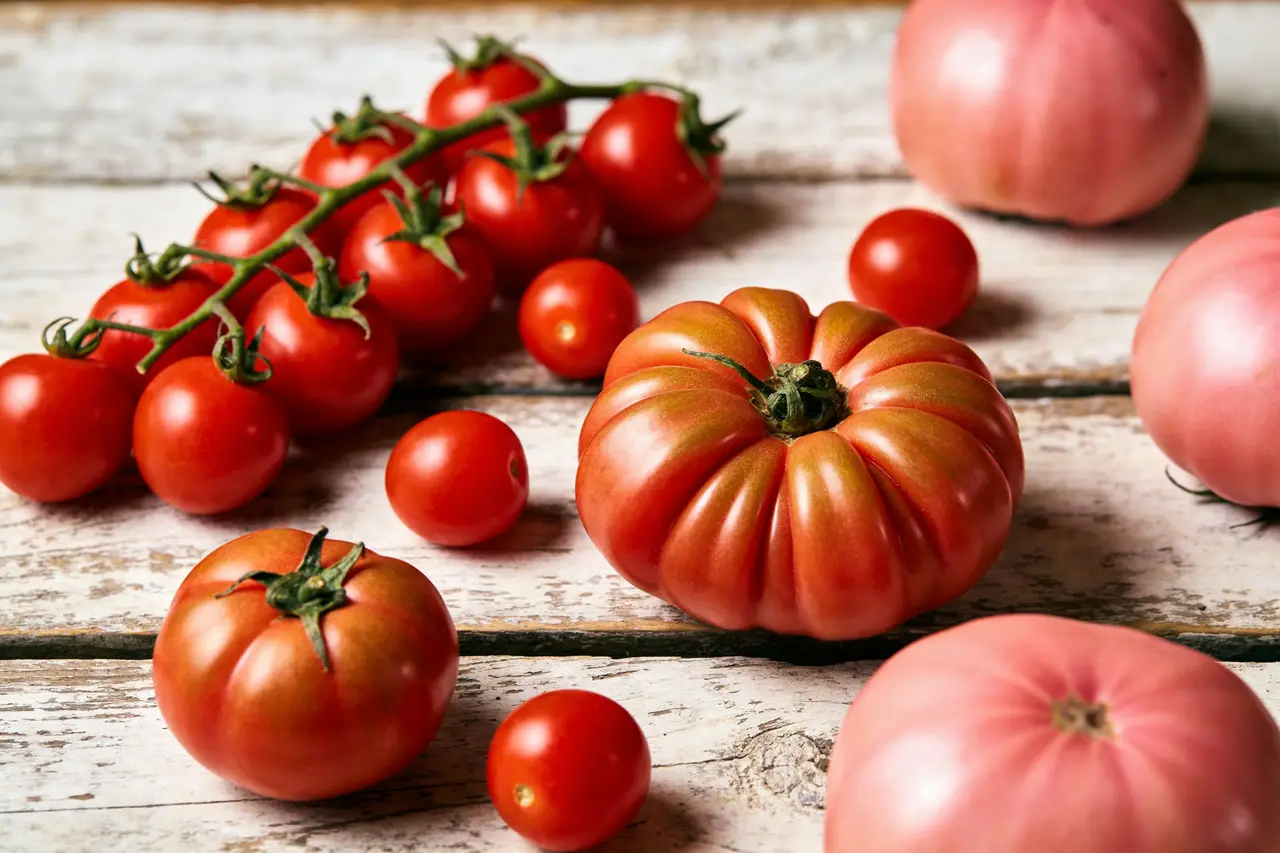
The Tomatoes of Lebanon: A Field Guide to Every Variety
Baladi, Omani, cherry, vine, mountain, zahriye — a field guide to Lebanon's tomato varieties and which one to buy for salad, cooking, grilling, or snacking.
Read→
Tips · 4 min
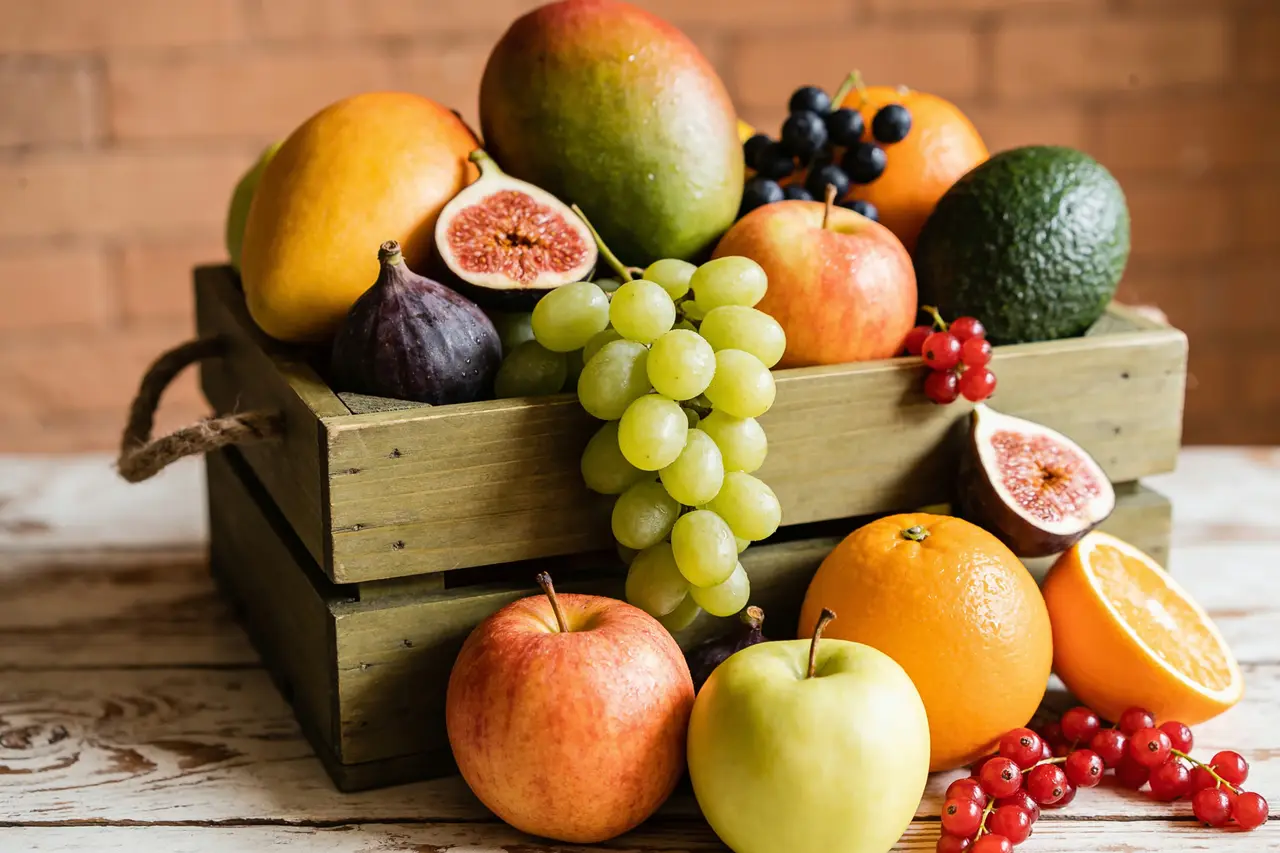
How to Build a Mixed Fruit Box That Actually Gets Eaten
A mixed fruit box is easy to waste. Build it in three layers — eat-now, mid-week, keepers — so there's always something ripe and nothing rots.
Read→
In Season · 6 min
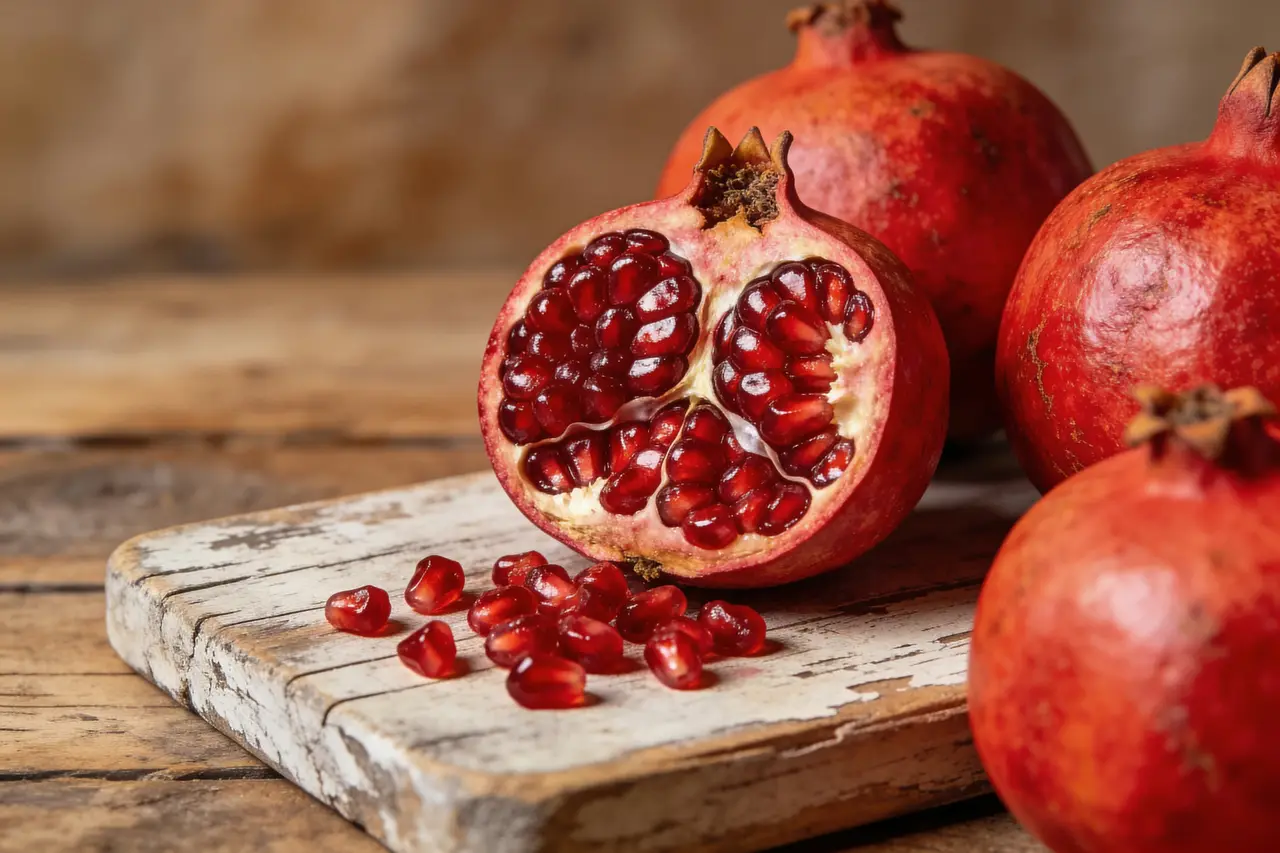
Pomegranate: How to Open One Without the Mess, and What to Do With It
Lebanon's autumn rumman, demystified: a two-minute deseeding trick, what to do with the arils, and why pomegranate molasses is a pillar of the cuisine.
Read→
In Season · 5 min
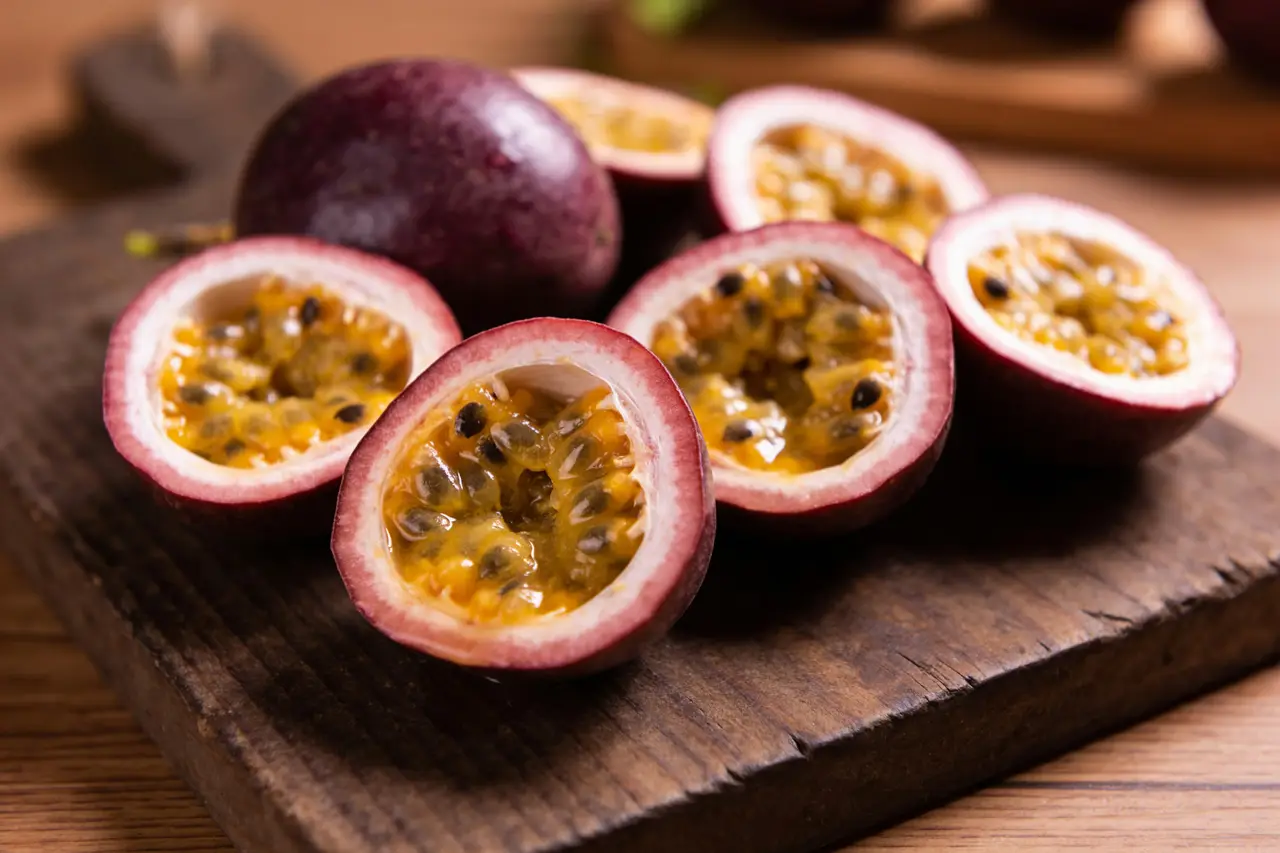
Passion Fruit in Lebanon: How to Eat It and What to Look For
Wrinkled means ripe. Passion fruit hides intense tart-sweet, floral pulp behind an ugly shell — here's how to choose it, scoop it, and use it in drinks, dressings, and desserts.
Read→
In Season · 6 min
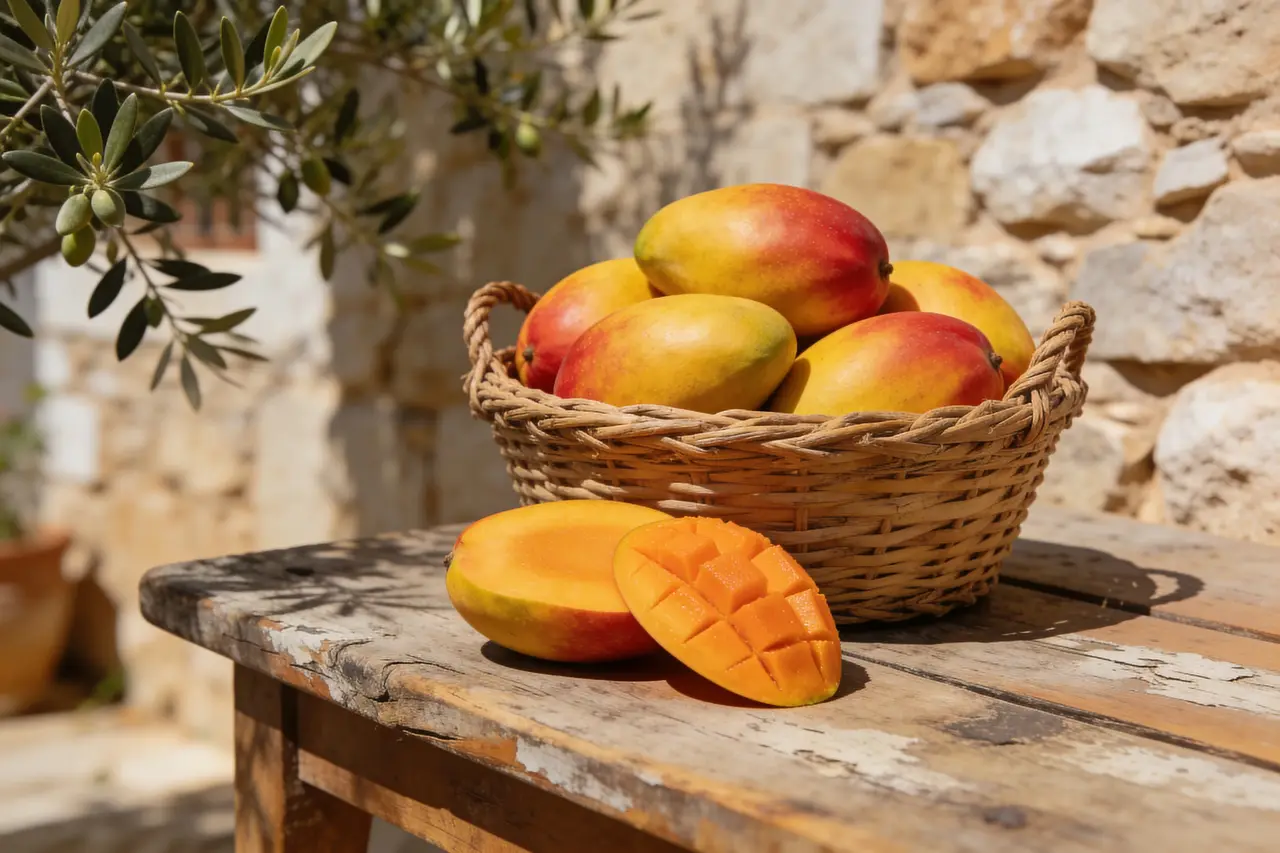
Egyptian Mango: The Summer Fruit Lebanon Waits For
Late summer brings the Egyptian mango — Aweis, Zebda, Fons — smaller, denser, and far more perfumed than year-round imports. How to tell them apart and pick a ripe one.
Read→
In Season · 5 min
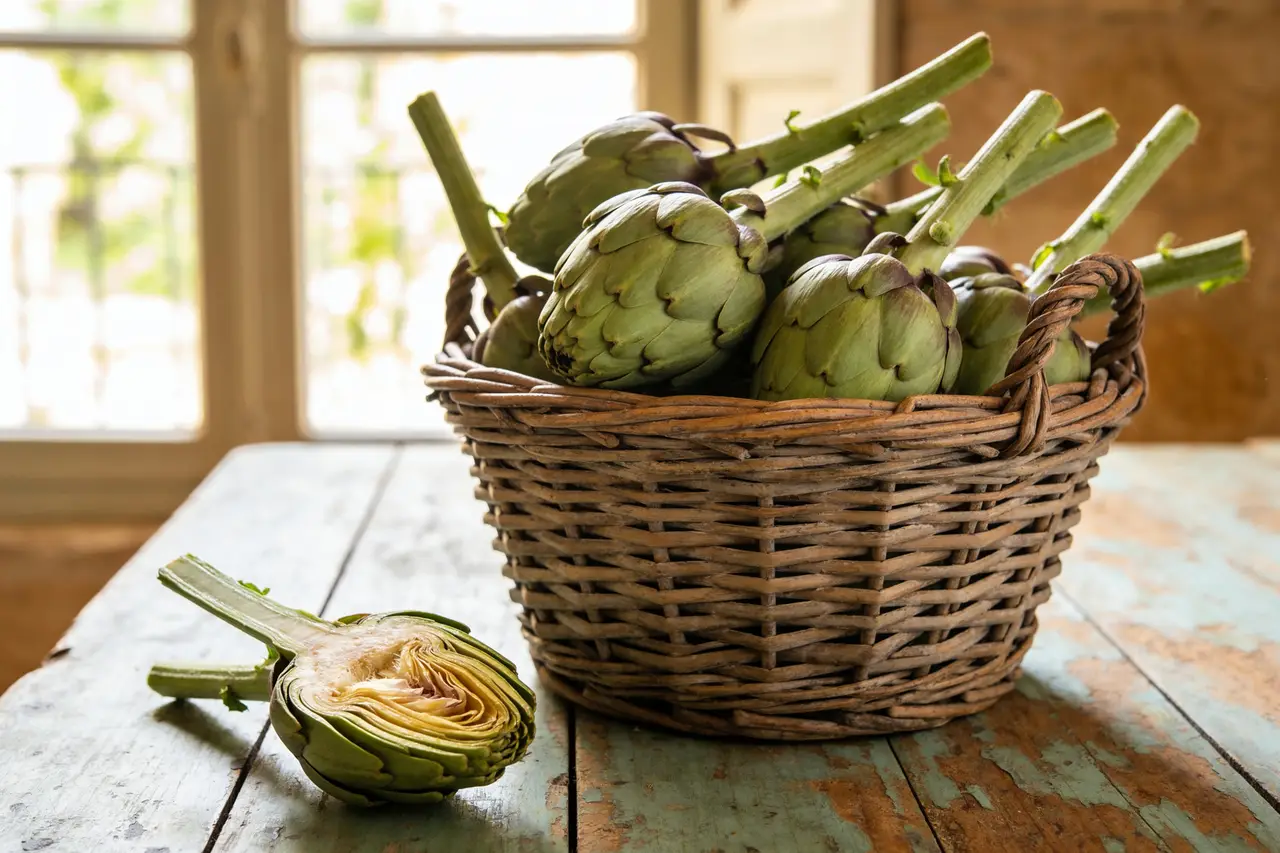
Artichoke: How to Clean and Cook Lebanon's Spring Thistle
Fresh artichokes look intimidating and taste incredible. Here's how to trim, cook, and choose Lebanon's baladi ardi shawki — plus why the spring window is short.
Read→
In Season · 4 min
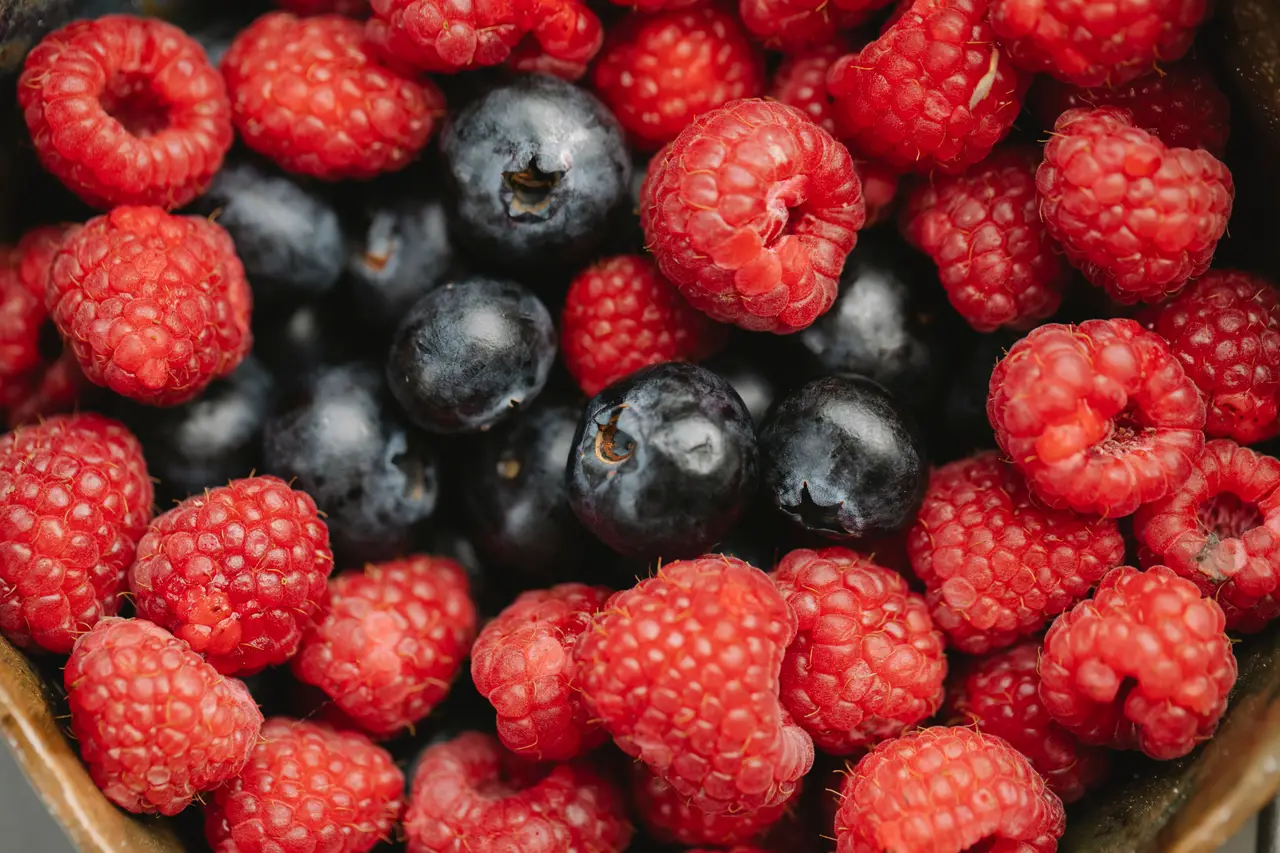
Blueberries and Raspberries in Lebanon: How to Pick and Store Them
Deep, even color and a dusty bloom on the blueberries. A domed, unbroken shape on the raspberries. Here's how to buy well and keep both fresh.
Read→
From Our Fields · 3 min
From Our Fields: Peas and Fava Beans
Peas and fava beans turn from sweet to starchy within days of picking. We grow our own so we can pick them young and move fast.
Read→
From Our Fields · 3 min
From Our Fields: Sumac and Mint
Sumac dried and ground from our own shrubs, mint cut fresh — the small flavors that go flat when they are old, kept sharp because we grow them.
Read→
From Our Fields · 3 min
From Our Fields: Grapes and Vine Leaves
Tender vine leaves in spring, ripe table grapes in late summer — both from vines we grow and pick by hand at the right moment.
Read→
From Our Fields · 3 min
From Our Fields: Almonds and Walnuts
Green almonds in spring, fresh walnuts in autumn — two trees we grow ourselves, and two things most people only taste dried.
Read→
From Our Fields · 3 min
From Our Fields: The Olive Harvest
We grow our own olives — table fruit and pressing varieties. How the autumn harvest works, and why owning the tree and the press matters.
Read→
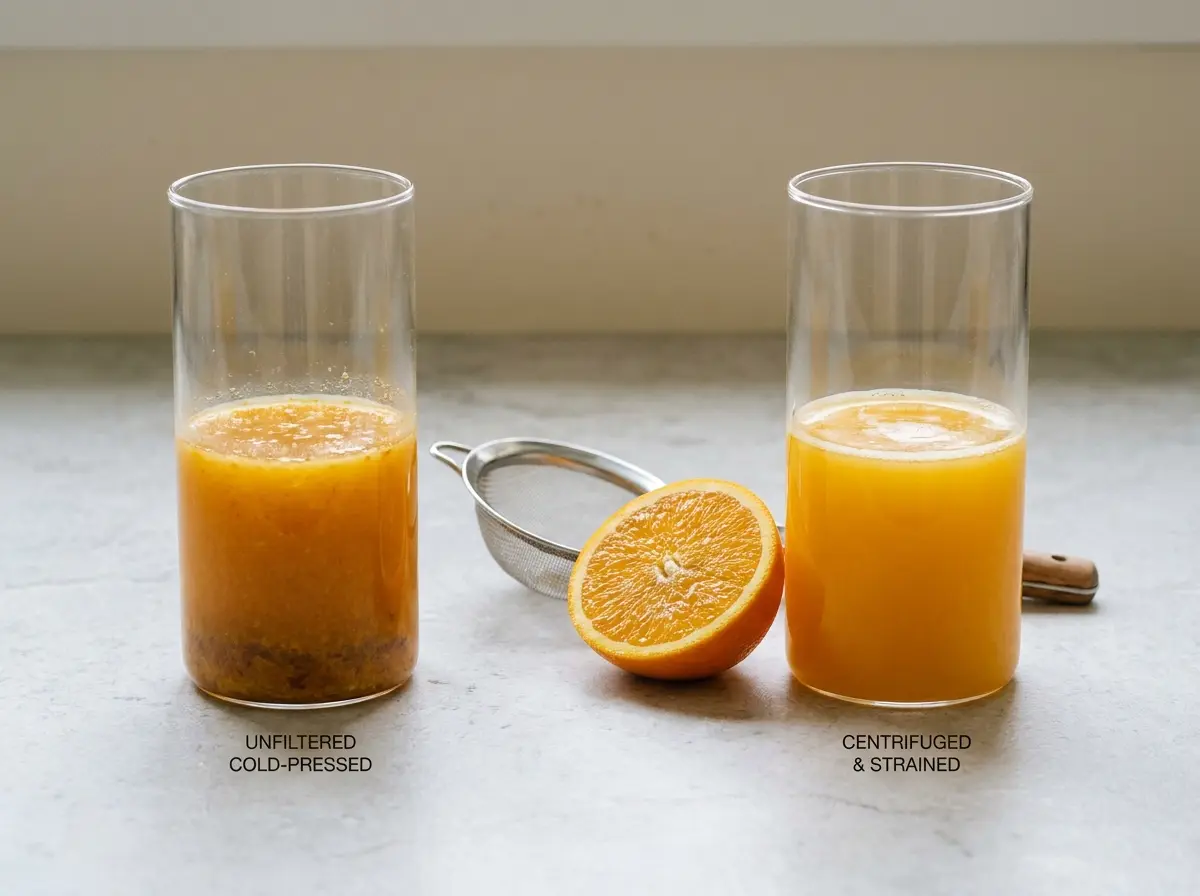
Tips · 5 min
Cold-pressed vs centrifuged juice: the difference is real, and one of them costs the other a lot
"Cold-pressed" is the most over-applied label in the juice business. What it actually means mechanically, what changes between hydraulic press and centrifugal extraction, and how to tell which one you're actually buying.
Read→
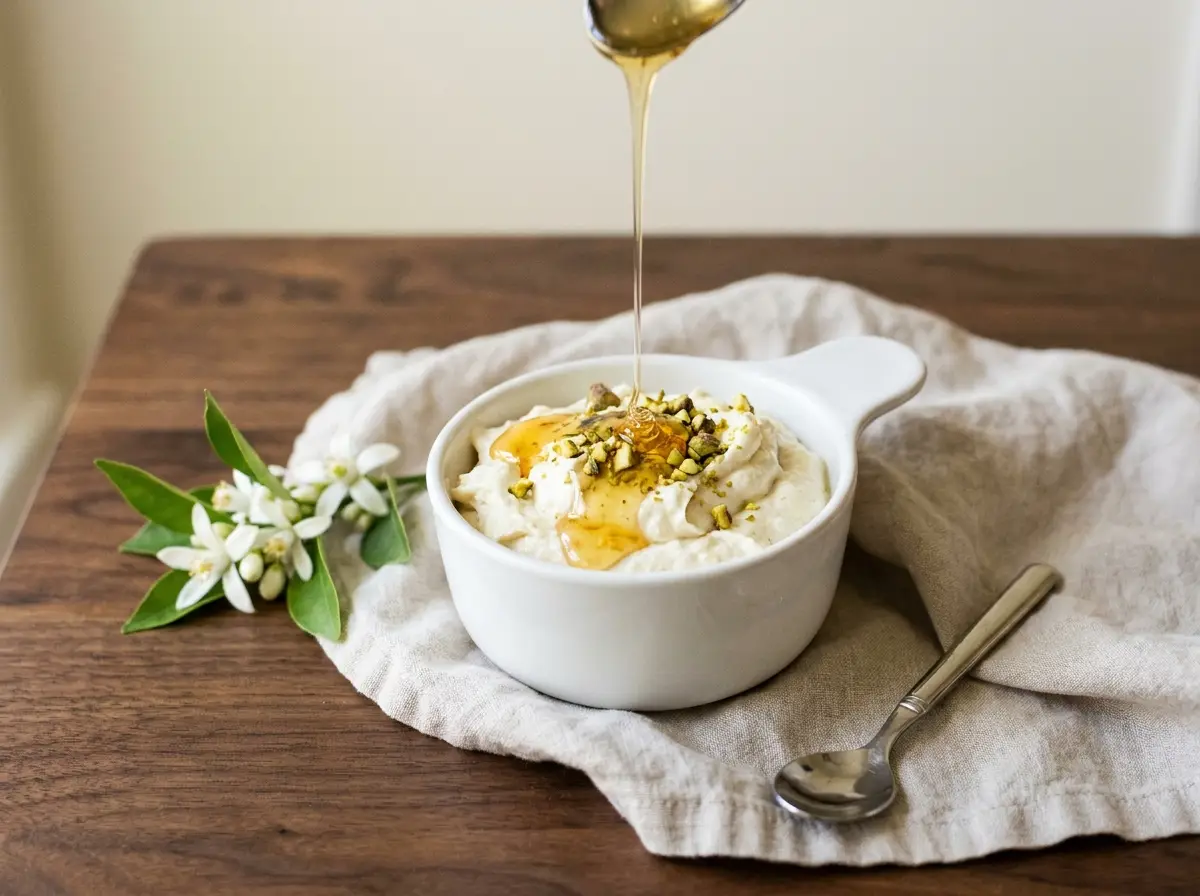
Tips · 4 min
Ashta isn't ricotta: what Lebanese clotted cream actually is, and why the difference matters
Ricotta, clotted cream, and Greek yogurt all show up in English recipe blogs as substitutes for ashta. None of them work. What ashta actually is, why the layered milk-skin texture matters, and a shortcut version you can make in 15 minutes at home.
Read→
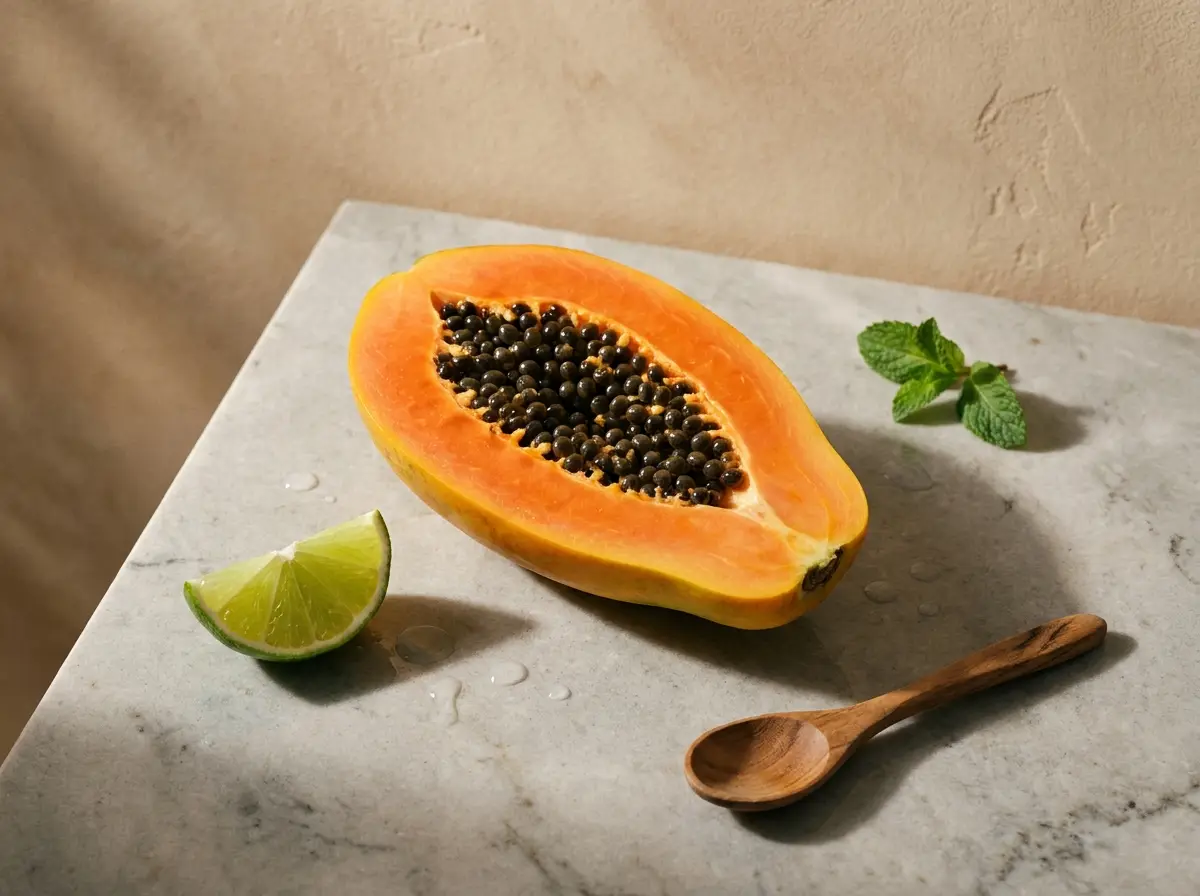
In Season · 4 min
Papaya in Lebanon: when it's actually in season, and how to pick one that isn't lying to you
A pear-shaped tropical fruit with vibrant orange flesh and black peppery seeds — papaya is on Lebanese shelves year-round, but peaks October through February. When to buy, how to spot a ripe one, and what to do with the seeds you'd otherwise throw out.
Read→
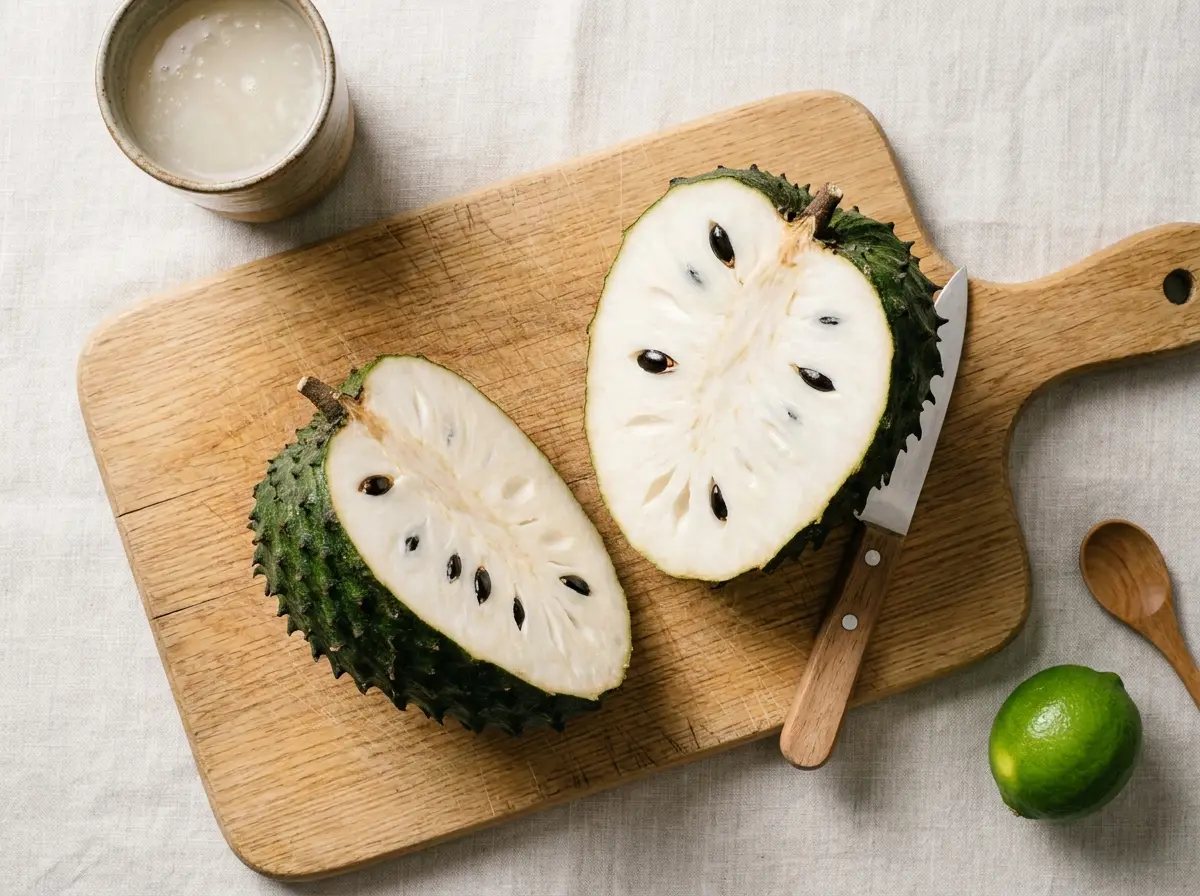
In Season · 5 min
Soursop in Lebanon: how to eat it, where to find it, what it actually tastes like
A spiny green tropical fruit with creamy white pulp and black seeds — soursop (graviola, غرافيولا) appears in Lebanese shelves from November through March. What it actually tastes like, how to open one, and why the cancer-cure claim doesn't hold up.
Read→
In Season · 5 min
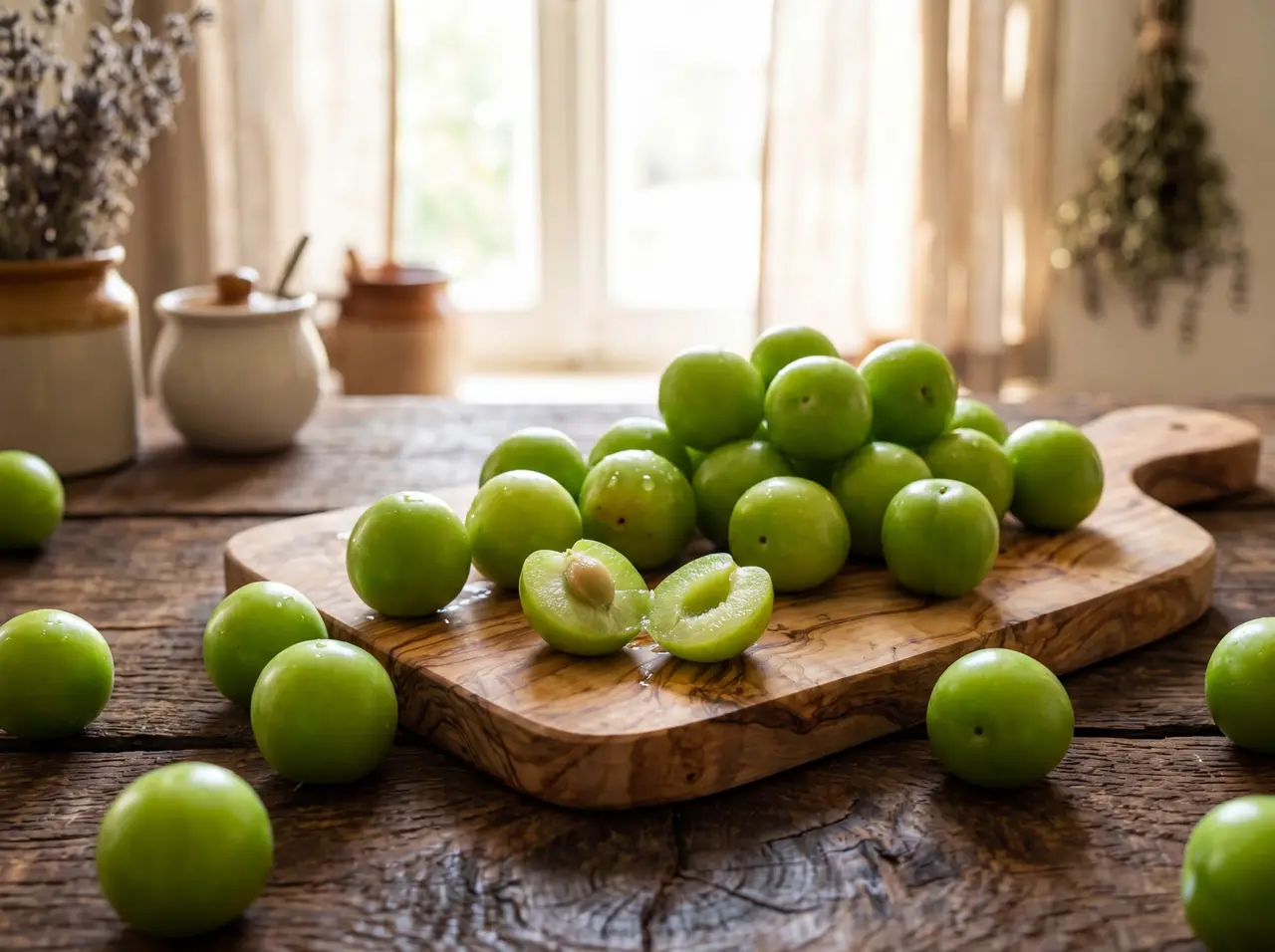
Janerik: Lebanon's Sour Green Plum
Janerik — Lebanon's unripe green plums — last only a few weeks in spring. Here's why they're worth dropping everything for.
Read→
In Season · 6 min
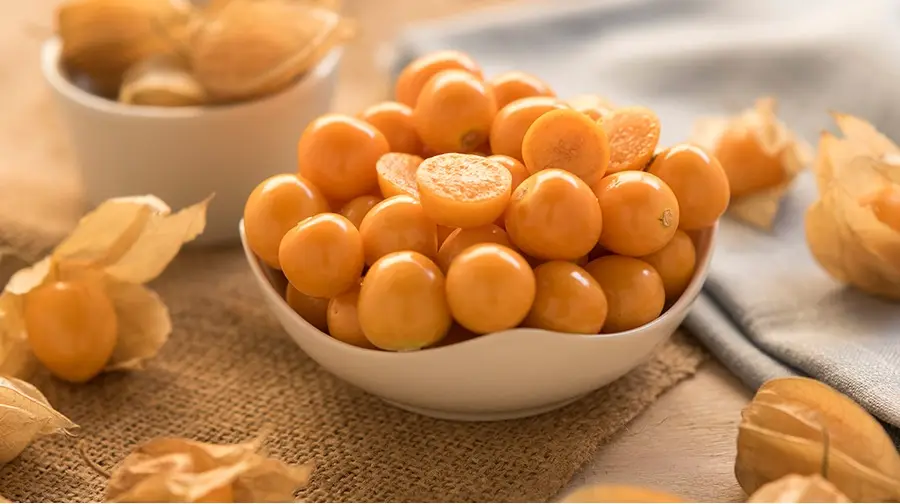
Aguaymanto: The Golden Berry From the Andes
Tart, golden, and wrapped in a papery husk — aguaymanto is the Andean berry that Frutzco is bringing to Lebanese tables for the first time.
Read→
Frutzberg · 4 min
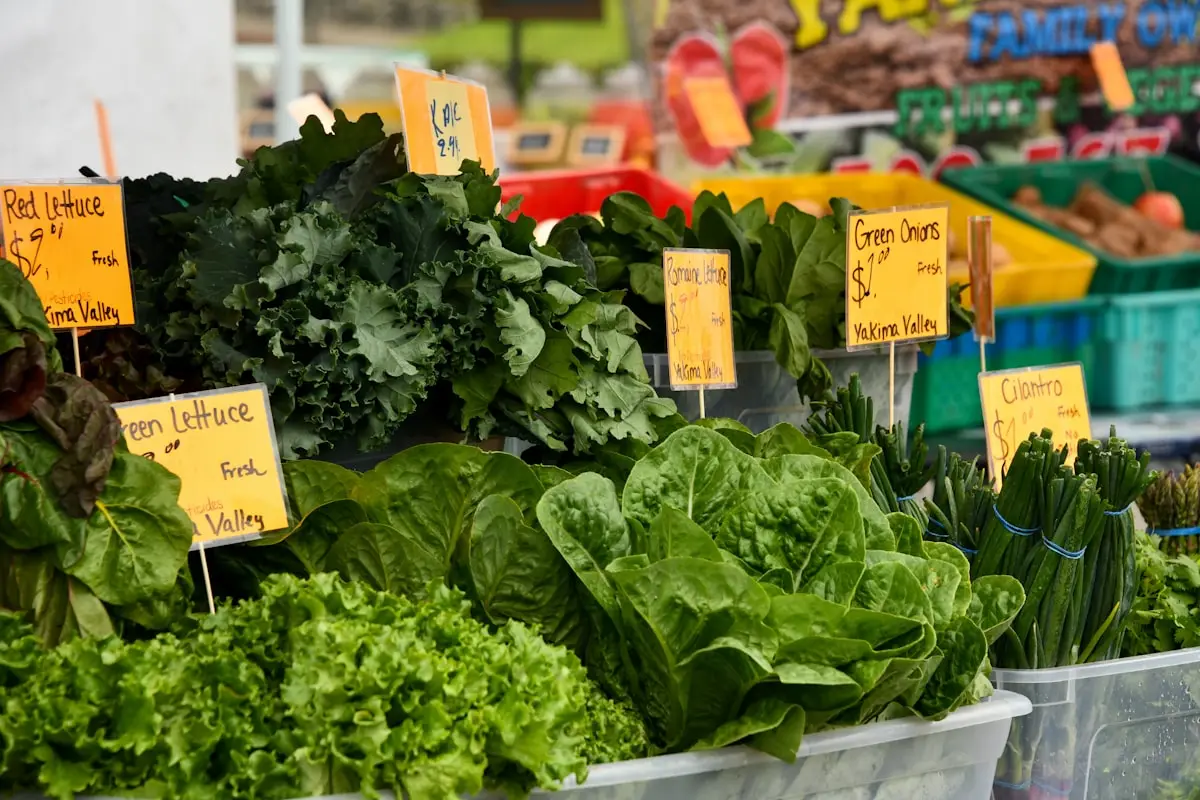
This Week at the Market: Spring Has Landed
The weekly market report — what's fresh, what's peaking, and what you should grab before it's gone.
Read→
Meet the Farmer · 5 min
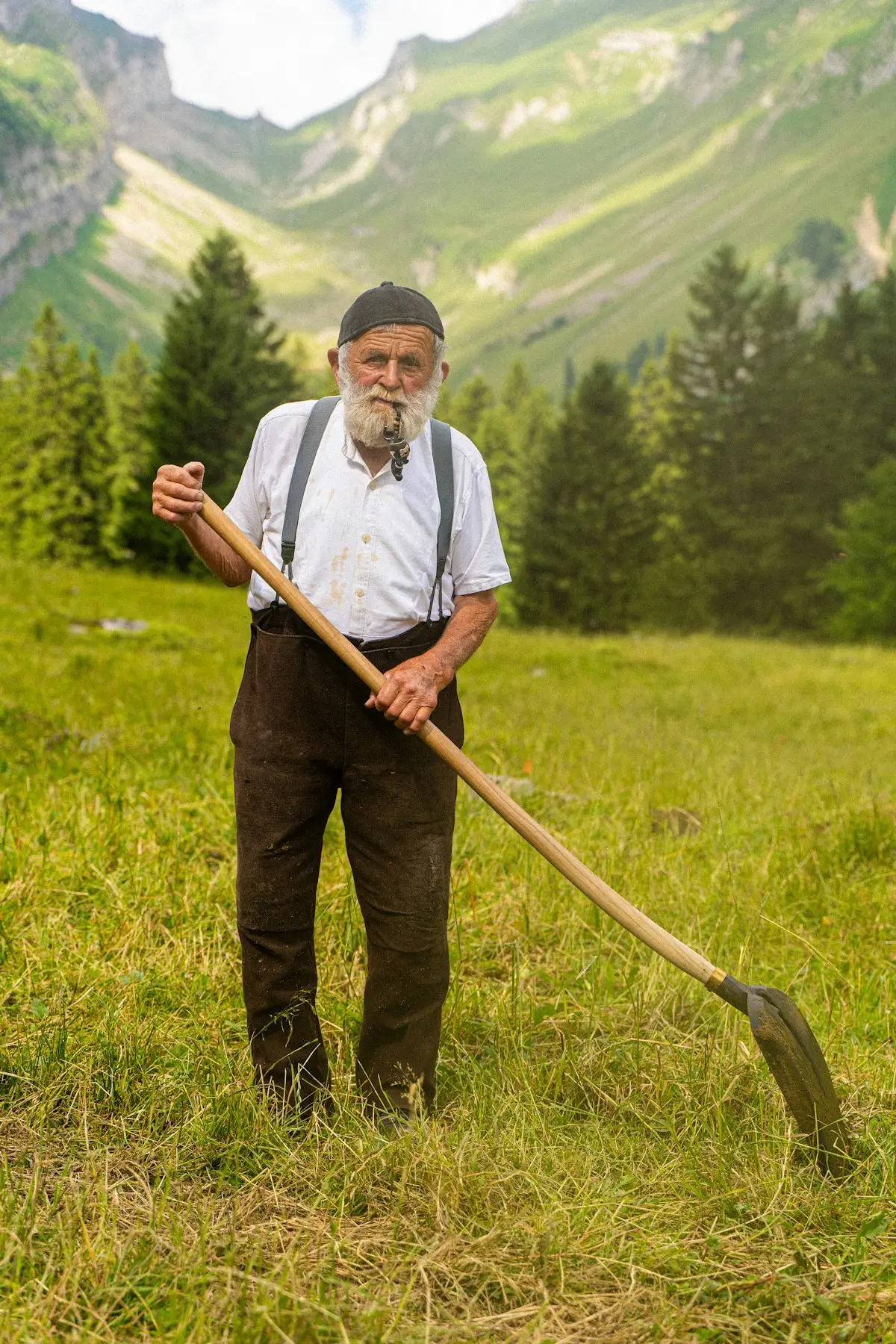
Abu Elias: 40 Years in the Bekaa Sun
Meet Abu Elias — a Bekaa Valley farmer who's been growing Lebanon's best produce for four decades.
Read→
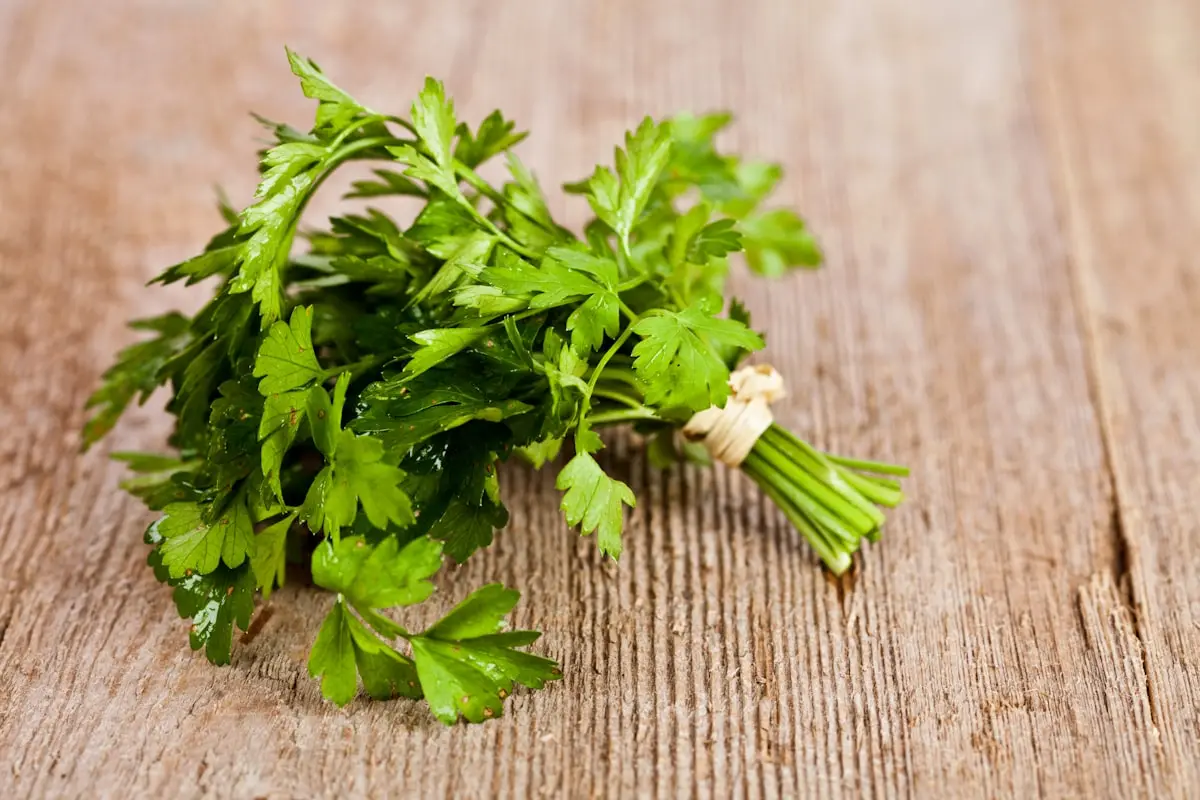
Tips · 3 min
Store Herbs Like Teta: The Lebanese Way
Lebanese grandmothers keep herbs fresh for weeks. Here's their no-nonsense method.
Read→
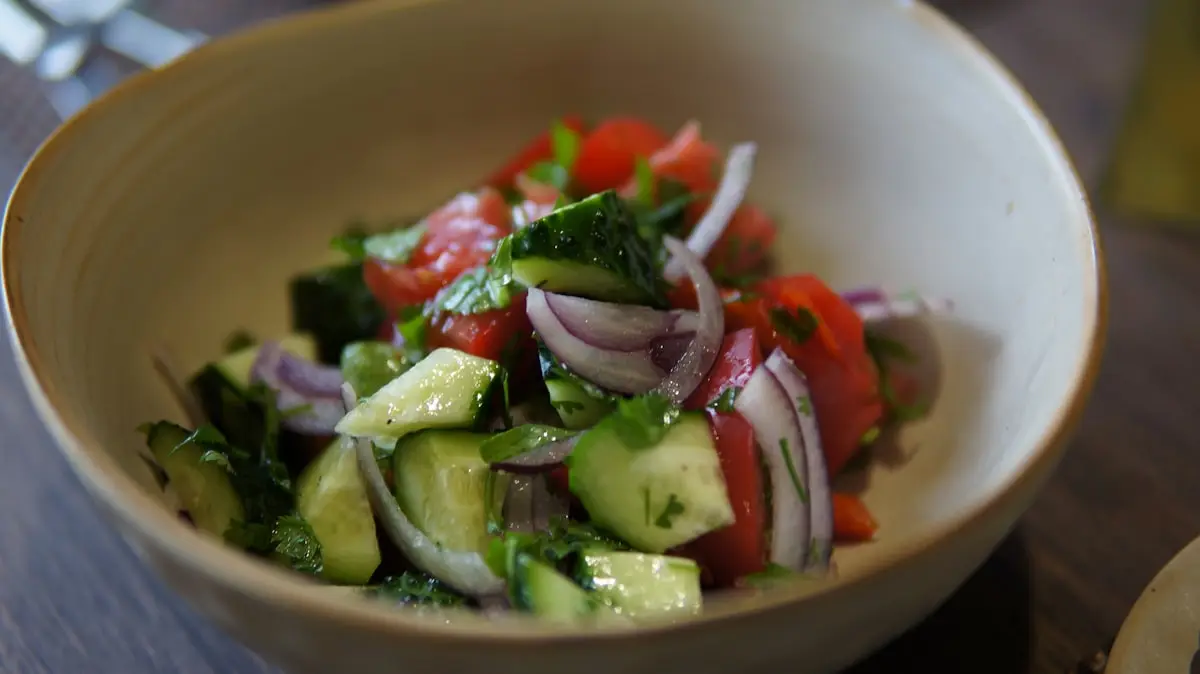
Jeddo's Kitchen · 4 min
Fattoush: The Only Way
Jeddo's fattoush stays crisp and punchy — here's the method behind Lebanon's most argued-about salad.
Read→
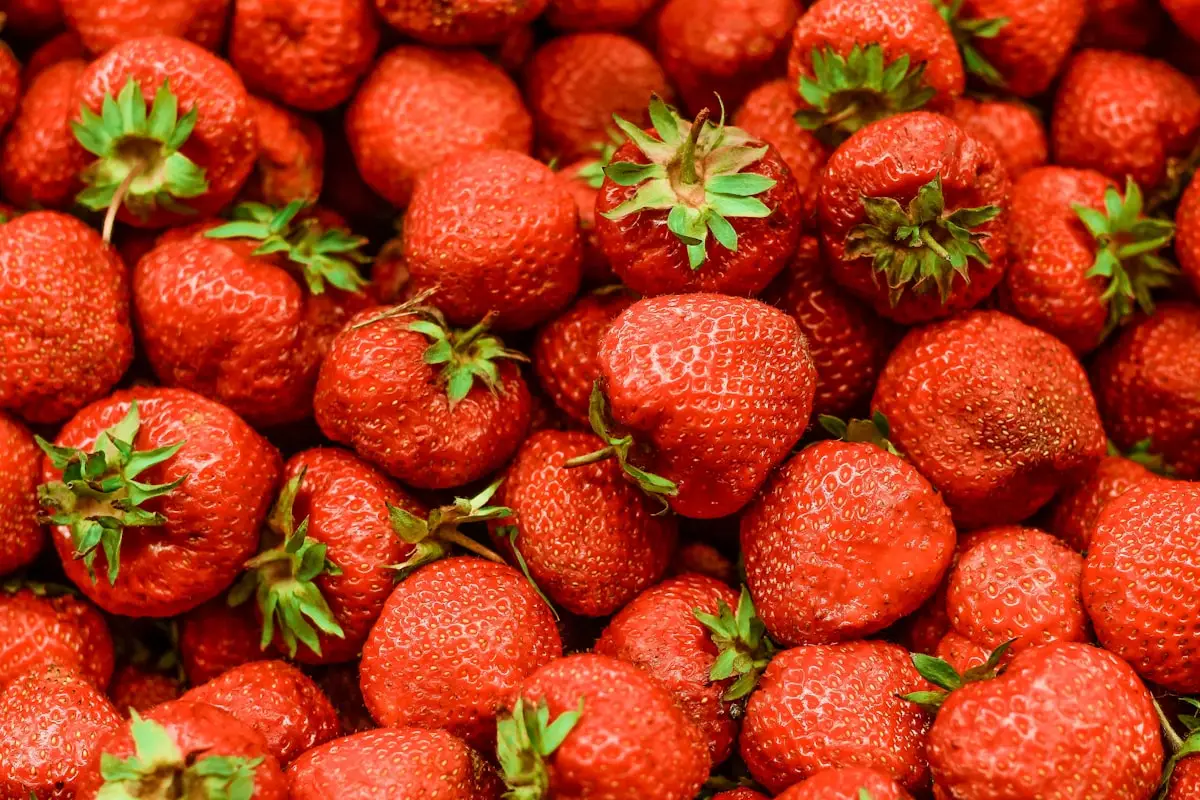
Frutzberg · 3 min
Strawberries Are Peaking
The Bekaa Valley crop came in early. Abu Fadi's plot in Zahle is producing the best fruit we've seen in three seasons. $2.99/kg this week.
Read→
Tips · 2 min
How to Keep Herbs Fresh for 2 Weeks
Trim stems, stand in water, cover loosely. 10-14 days instead of 2-3.
Read→
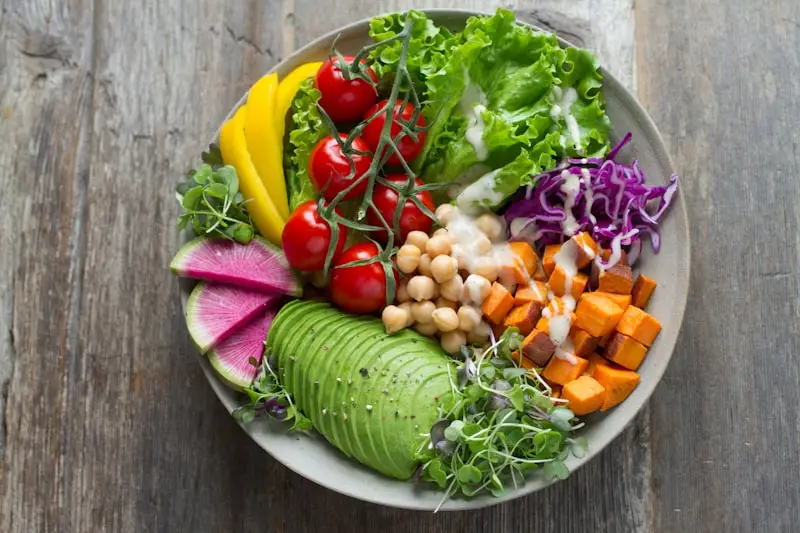
Jeddo's Kitchen · 5 min
Jeddo's Fattoush
The salad that started every Sunday lunch. Jeddo's secret wasn't a secret ingredient — it was timing.
Read→
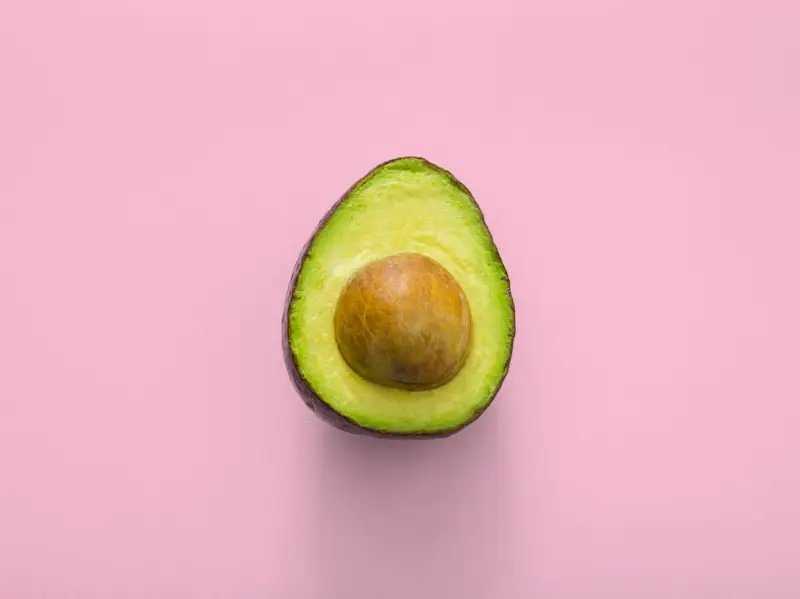
Tips · 1 min
The 30-Second Avocado Test
Stop squeezing. Flick the stem cap — green means ripe, brown means overripe.
Read→
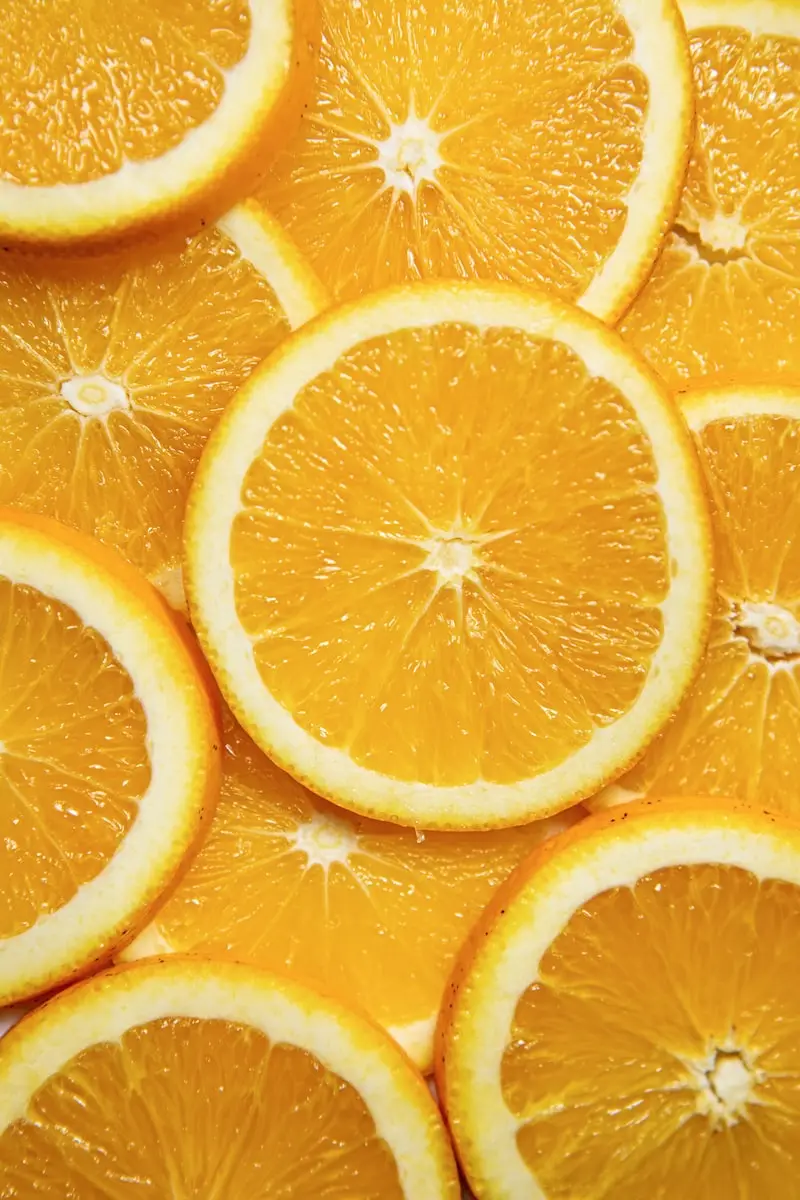
Frutzberg · 3 min
Citrus Season's Grand Finale
Last great week for Lebanese citrus. Blood oranges from Tripoli at peak intensity.
Read→
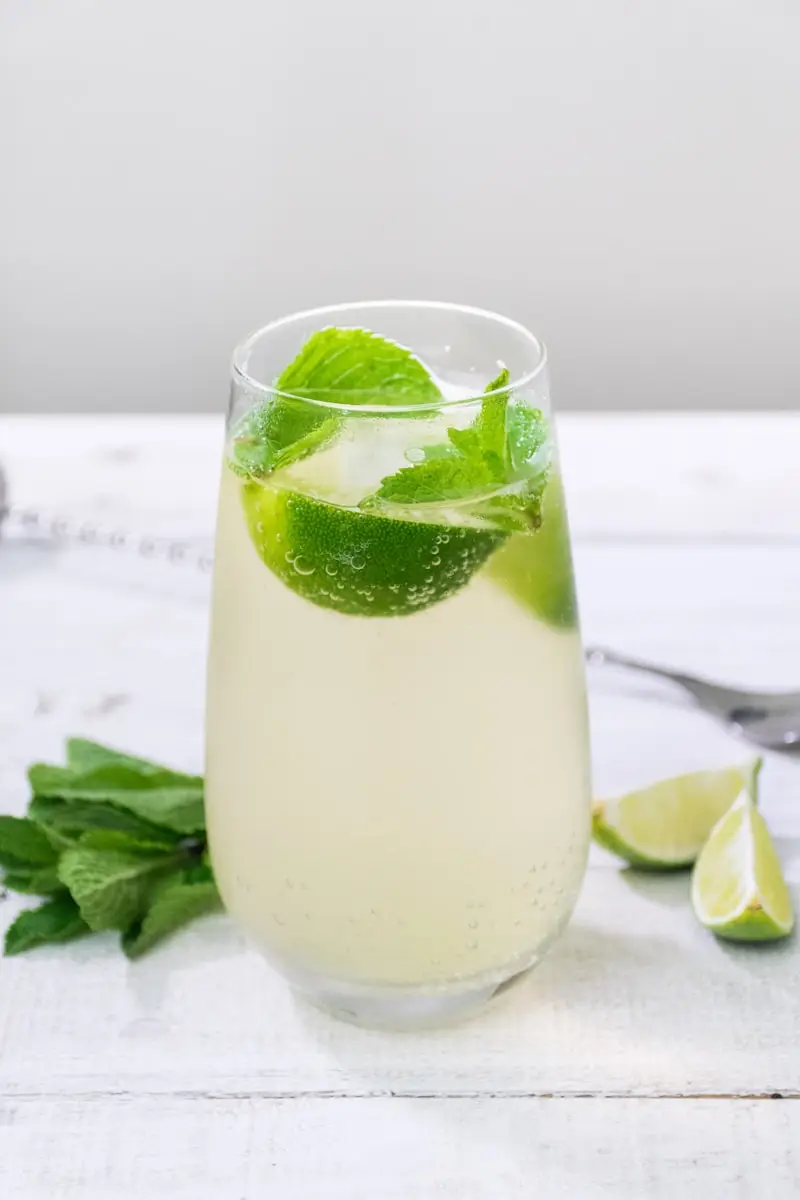
Jeddo's Kitchen · 4 min
Mint Lemonade, the Right Way
Everyone makes it wrong. Jeddo's version: no blender, no bitterness. Clear, bright, and clean.
Read→
Frutzberg · 2 min
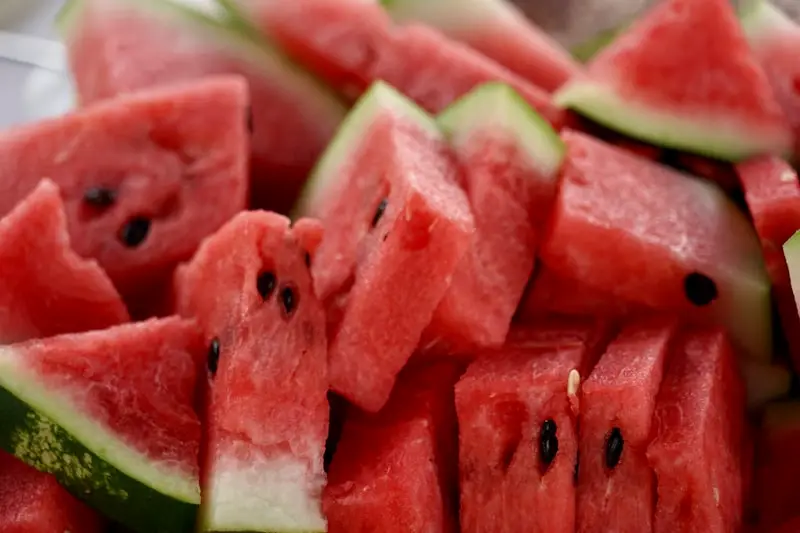
The Watermelon Report
First Akkar watermelons arrived — small, concentrated, shockingly good for February. Limited quantities at $1.50/kg.
Read→
Tips · 1 min
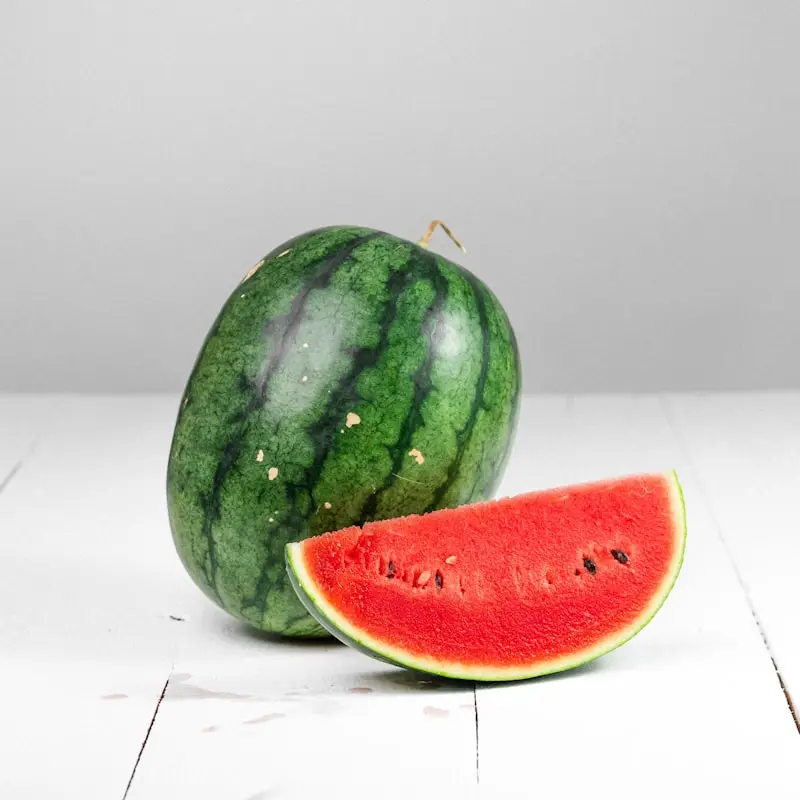
How to Pick the Perfect Watermelon
Knock for hollow sound. Check the yellow field spot. Heavier = juicier. Round = sweeter.
Read→
Meet the Farmer · 5 min
Abu Ali, Bekaa Valley
Three generations farming the same Bekaa Valley plot. Abu Ali's heirloom tomatoes — from seeds his father saved sixty years ago.
Read→
Meet the Farmer · 4 min
Mariam's Herb Garden, Shouf
Mariam doesn't call herself a farmer. "I'm a gardener. Farmers grow food. I grow medicine."
Read→


