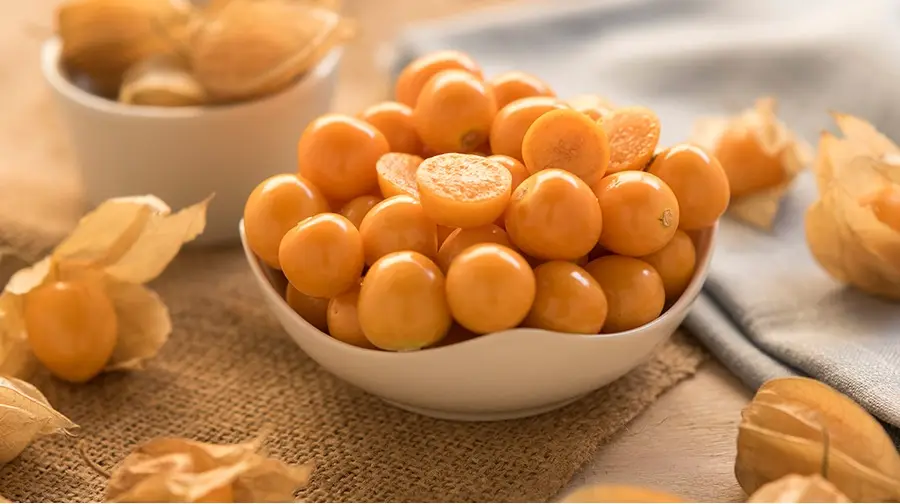
Aguaymanto: The Golden Berry From the Andes
Tart, bright, and wrapped in a papery husk — meet the fruit that South America has treasured for centuries and Lebanon is only just discovering.
From the High Andes to Your Table
Some fruits arrive quietly. Aguaymanto (Physalis peruviana) is not one of them. It comes wrapped in a papery lantern-husk, glowing gold inside, and hits your palate with a burst of tart sweetness that is impossible to ignore. South Americans have known this for centuries. The rest of the world is catching up.
Known by many names — goldenberry, cape gooseberry, uvilla, physalis — aguaymanto is native to the high-altitude Andean regions of Peru, Brazil, and Chile, where it has been cultivated since pre-Inca times. The Incas considered it a prestige fruit, growing it in the sacred valleys around Cusco. Today, it is farmed across tropical and subtropical highlands worldwide, including parts of the Mediterranean basin — which is how it is beginning to appear on Lebanese tables.
What Makes It Special
Pull back the papery husk and you find a smooth, round berry the size of a cherry tomato, somewhere between bright yellow and deep orange depending on ripeness. Bite in and the flavor is complex in a way most berries are not: a sharp citrusy tartness up front, followed by a tropical sweetness that has notes of mango and vanilla, finishing with a faint earthiness. It is bright and assertive without being harsh.
That flavor profile is what makes aguaymanto genuinely versatile in the kitchen — it works in both sweet and savory contexts without any forcing. This is not a novelty ingredient that only chefs use to look interesting. It is genuinely delicious and genuinely useful.
The husk itself is worth noting. It is not edible, but it is not waste either — it is a built-in freshness indicator. A tight, golden husk means the berry inside is fresh. A shriveled or browned husk means it has been sitting too long. This natural packaging makes aguaymanto one of the easiest fruits to evaluate on the spot.
Nutrition That Earns Its Reputation
Aguaymanto has accumulated a reputation as a superfood, and for once the label is not entirely marketing. The berries are a genuine source of vitamins A and C, phosphorus, iron, potassium, and zinc. Vitamin C content is notably high — comparable to citrus — which, combined with the fruit's antioxidant compounds, made it a staple of Andean traditional medicine long before anyone coined the term "functional food."
The calorie count is low, the fiber content is decent, and the natural sugars are balanced by the fruit's acidity, meaning it does not spike blood sugar the way a very sweet tropical fruit might. It is a fruit you can eat generously without second thoughts.
How to Use It
The simplest way to eat aguaymanto is straight from the husk, as a snack. The flavor is interesting enough on its own that no preparation is needed. But if you want to do more with it, the options are genuinely exciting.
Fresh in salads: Halved aguaymanto adds tartness and color to grain salads, arugula, or fattoush. It plays the role that pomegranate seeds do in Lebanese cuisine — a bright pop against rich, earthy flavors — but with a more complex flavor.
With dairy: The acidity cuts beautifully through creamy textures. Slice them over labneh with a drizzle of honey and a scatter of crushed pistachios. Stir them into plain yogurt with a little rosewater. Drop them alongside a cheese board.
Cooked into sauces and jams: Heat concentrates the sweetness and softens the tartness. A simple aguaymanto compote — berries, sugar, a splash of lemon juice — takes about ten minutes and keeps for two weeks in the fridge. Spoon it over pancakes, mix it into vinaigrette, or serve it alongside grilled chicken or lamb.
In desserts: The tartness makes aguaymanto a natural partner for chocolate and pastry. Fold them into a tart, scatter over a pavlova, or use them to cut through the richness of a chocolate mousse.
As a garnish: Their visual appeal is undeniable. A cluster of husked berries, stems still attached, elevates any plate presentation.
Selecting and Storing
When choosing aguaymanto, look for firm berries with intact, papery husks that are still golden rather than brown or gray. The husk should feel slightly rustling and dry, not damp. Avoid anything that feels soft through the husk.
Store them at room temperature for up to a week — the husk keeps them fresh remarkably well without refrigeration. Once husked, move them to the fridge in an airtight container and use within three to four days. Do not wash them until you are ready to eat, as moisture speeds deterioration.
If you have more than you can eat fresh, freeze them whole after husking. Frozen aguaymanto works well in cooked preparations, smoothies, and sauces, though the texture softens on thawing.
Why Frutzco Is Bringing It Here
Aguaymanto is not a traditional Lebanese fruit. There is no grandmother's recipe for it, no village that has grown it for generations, no nostalgic association. What it represents for us is something different: the idea that a Lebanese table can hold the best of the world alongside the best of Lebanon.
We are introducing aguaymanto because it is genuinely excellent — flavorful, nutritious, visually striking — and because we believe Lebanese cooks and food lovers will find creative and delicious ways to use it once they taste it. Frutzco's role is not only to deliver what already exists on Lebanese tables, but occasionally to put something new there and let you decide what to do with it.
It's part of a wider push to bring more of the world's best exotic fruit to Lebanese tables — mangosteen is another recent addition worth seeking out.
When aguaymanto is available in our catalog — you'll find it listed as physalis — it means we sourced a batch worth your time. Try it fresh first. Then experiment.
---
Some of the best things at the table are the ones you had never tried before.